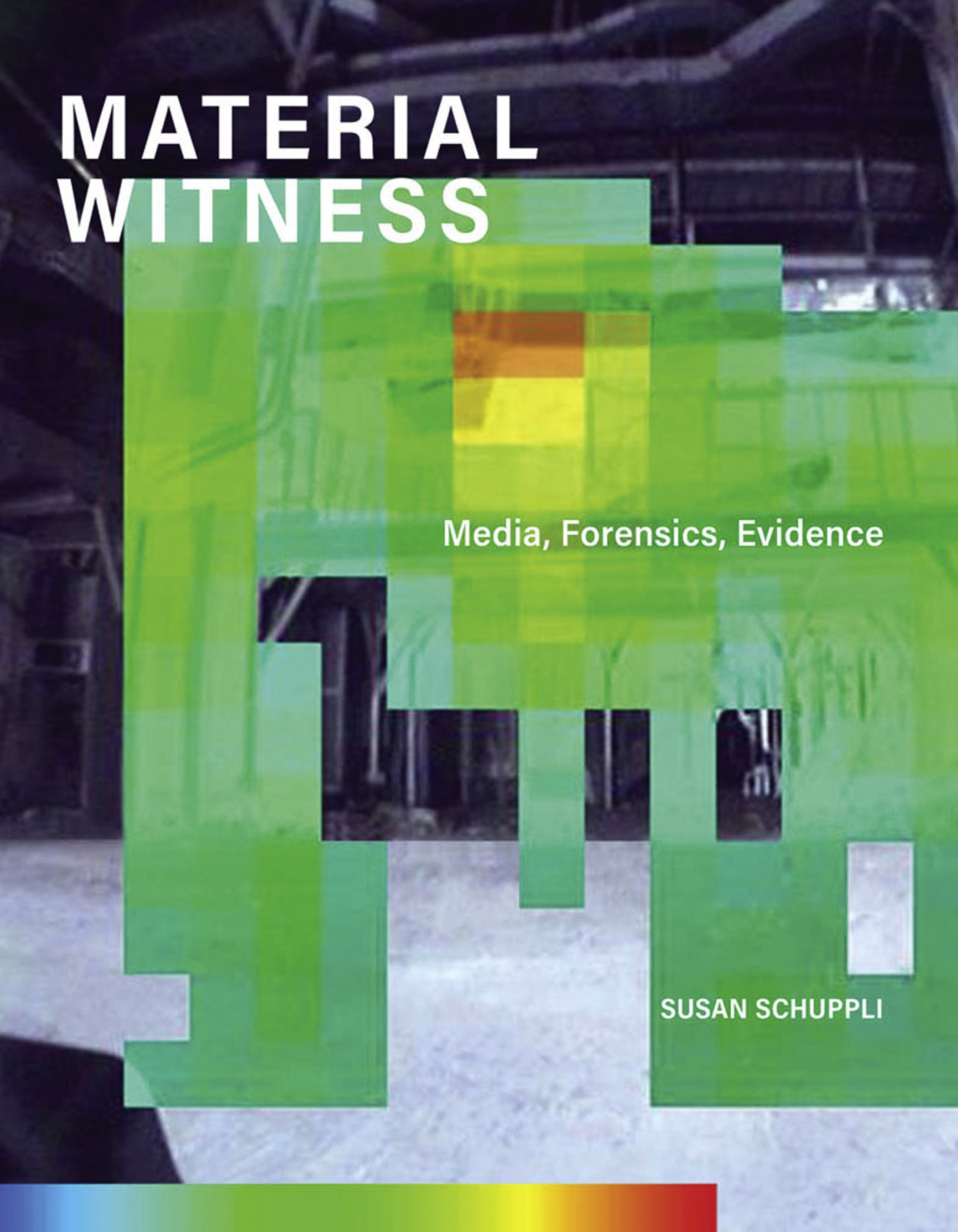
MATERIAL WITNESS
The evidential role of matter—when media records trace evidence of violence—explored through a series of cases drawn from Kosovo, Japan, Vietnam, and elsewhere.
In this book, Susan Schuppli introduces a new operative concept: material witness, an exploration of the evidential role of matter as both registering external events and exposing the practices and procedures that enable matter to bear witness. Organized in the format of a trial, Material Witness moves through a series of cases that provide insight into the ways in which materials become contested agents of dispute around which stake holders gather.
These cases include an extraordinary videotape documenting the massacre at Izbica, Kosovo, used as war crimes evidence against Slobodan Milošević; the telephonic transmission of an iconic photograph of a South Vietnamese girl fleeing an accidental napalm attack; radioactive contamination discovered in Canada's coastal waters five years after the accident at Fukushima Daiichi; and the ecological media or “disaster film” produced by the Deep Water Horizon oil spill in the Gulf of Mexico. Each highlights the degree to which a rearrangement of matter exposes the contingency of witnessing, raising questions about what can be known in relationship to that which is seen or sensed, about who or what is able to bestow meaning onto things, and about whose stories will be heeded or dismissed.
An artist-researcher, Schuppli offers an analysis that merges her creative sensibility with a forensic imagination rich in technical detail. Her goal is to relink the material world and its affordances with the aesthetic, the juridical, and the political.
Listen MIT Podcast︎︎︎
MIT Press︎︎︎
Andrew Barry, "Collective Empiricism and the Material Witness," Journal of Visual Culture 20, no. 3 (2022).
Reviewed, Mitchell Anderson, Art Monthly, Issue 459, 09.2022
Reviewed, Camille Roquet, Interfaces, 47, 2022
Reviewed, Lisa Deml, Third Text, 10.09.2021
The evidential role of matter—when media records trace evidence of violence—explored through a series of cases drawn from Kosovo, Japan, Vietnam, and elsewhere.
In this book, Susan Schuppli introduces a new operative concept: material witness, an exploration of the evidential role of matter as both registering external events and exposing the practices and procedures that enable matter to bear witness. Organized in the format of a trial, Material Witness moves through a series of cases that provide insight into the ways in which materials become contested agents of dispute around which stake holders gather.
READ MORE
These cases include an extraordinary videotape documenting the massacre at Izbica, Kosovo, used as war crimes evidence against Slobodan Milošević; the telephonic transmission of an iconic photograph of a South Vietnamese girl fleeing an accidental napalm attack; radioactive contamination discovered in Canada's coastal waters five years after the accident at Fukushima Daiichi; and the ecological media or “disaster film” produced by the Deep Water Horizon oil spill in the Gulf of Mexico. Each highlights the degree to which a rearrangement of matter exposes the contingency of witnessing, raising questions about what can be known in relationship to that which is seen or sensed, about who or what is able to bestow meaning onto things, and about whose stories will be heeded or dismissed.
An artist-researcher, Schuppli offers an analysis that merges her creative sensibility with a forensic imagination rich in technical detail. Her goal is to relink the material world and its affordances with the aesthetic, the juridical, and the political.
Listen MIT Podcast︎︎︎
MIT Press︎︎︎
Andrew Barry, "Collective Empiricism and the Material Witness," Journal of Visual Culture 20, no. 3 (2022).
Reviewed, Mitchell Anderson, Art Monthly, Issue 459, 09.2022
Reviewed, Camille Roquet, Interfaces, 47, 2022
Reviewed, Lisa Deml, Third Text, 10.09.2021
PUBLICATIONS BY SCHUPPLI


PUBLICATIONS BY SCHUPPLI
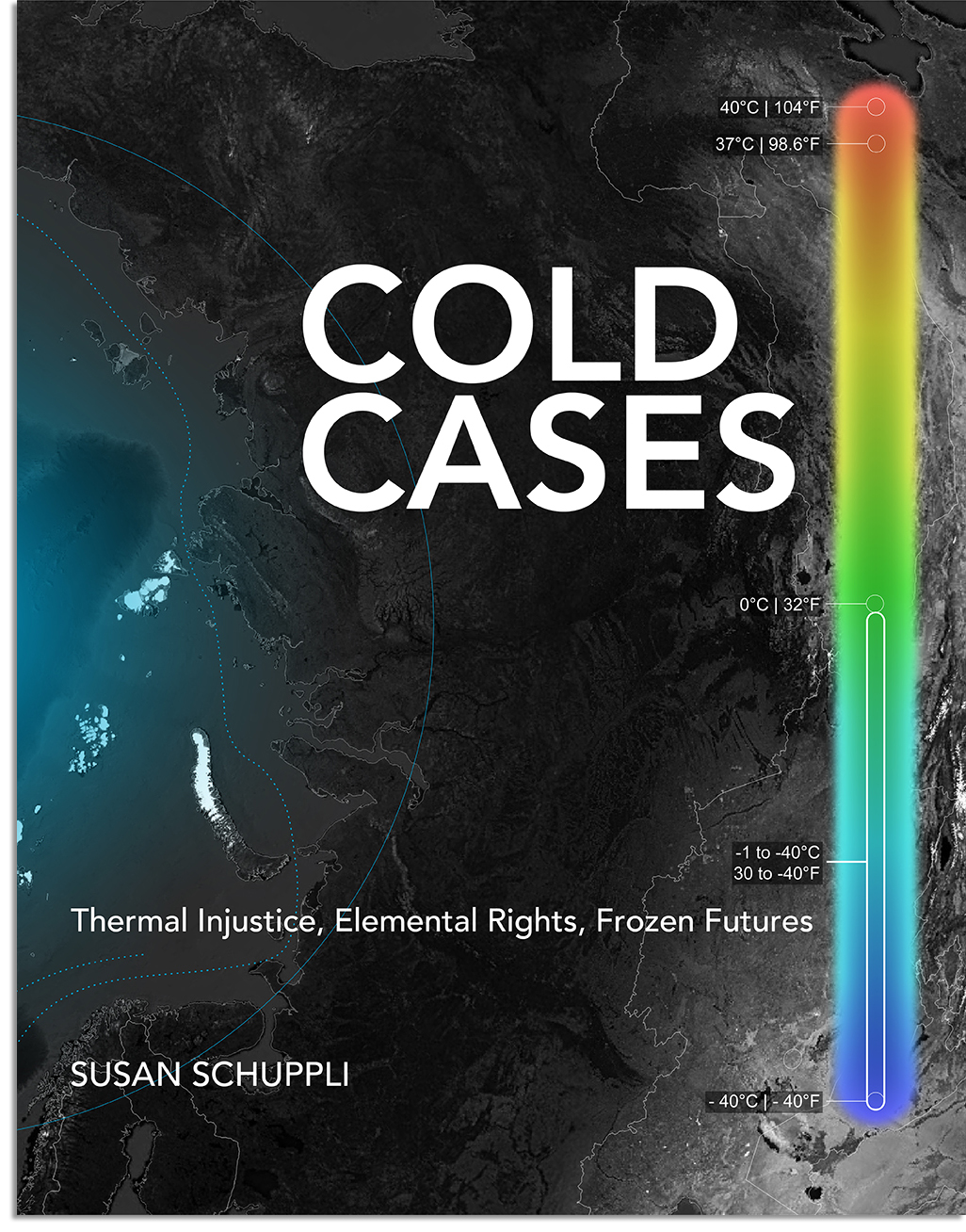
COLD CASES ( monograph in-progress) builds upon the groundwork of MATERIAL WITNESS but expands its legal framing to consider broader questions of rights and justice. Emerging from multi-year research and fieldwork within the crysophere, the book project draws together a series of ‘cases’ and ‘files’ that attend to cold politics in a warming world.
This book begins with a classic cold case — a re-examination of the British colonial expeditionary imagination and its geographic surveys with their gaze oriented towards the mountain peaks and termperate zones of the Himalayas. A ‘cold’ case that investigates the legacies of ‘pink ice’ which informed the discipline of glaciology and set up research institutes throughout SE Asia. A reflection that is guided by the political question: how we might begin to ‘decolonise ice’ and ‘unlearn’ the approaches to studying glaciers that has been dominated by their geo-spatial histories as summits to conquered — physically and epistemically?
It also revisits the scenes of a series of contemporary ‘climate crimes’ involving the weaponisation of cold as a mode of governance and policing of racialised bodies. Specifically an investigation into harms and death by hypothermia that resulted from European migration policies, Icebox detention along the US-Mexico boder, water-hose assaults against water protectors at Standing Rock during the NoDAPL movement, and the clandestine tactic of policing known as taking someone on a “starlight tour” — an often lethal practice of abandonment that led to freezing deaths of First Nations in Canada.
The book also brings together a series of cases that animate questions of ‘cold rights’ and Earth jurisprudence — from human rights petitions by Inuit ‘seeking relief from violations resulting from global warming’; a legal case concerning the use of sonic-seismic surveys for detecting oil and gas reserves in marine ecologies that forced a Clyde River community in Nunavut to take their grievance to the Supreme Court of Canada; to ethical contestations around the ‘right to break ice’ that challenge the willful fracturing the Earth’s frozen mantle by ice breakers in the name of Arctic sovereignity and security. As well it includes two ‘rights of nature’ cases that examine the legal frameworks, which have designated living glaciers as juridical persons — the Gangotri and Yamanotri in the Uttarakhand state of northern India and the proposed ‘rights of river’ designation for the Yukon River in Canada, which empties into the Bering Sea via Alaska.
Alongside these ethico-juridical and rights-based cases the book also explores the sensate material and thermal properties of ice, foregrounding the ways in which ice mediates knowledge, organises socio-cultural practices and supports more-than-human lifeworlds. These include cases focused on ice core media and fieldwork in frozen ground truthing, as well as practices of ‘cryoception’ from remote sensing of sea ice and glacial recession via satellite to community-based methods for attending to the relational dynamics of living with and on ice.
Its files include documentation and critical reflections on the many creative projects that have informed this research.
In summary, COLD CASES advances a materialist account of climate justice grounded in the evidentiary and relational force of ice. Drawing on legal theory, media and sound studies, investigative aesthetics, and Earth jurisprudence, I argue that ice is not simply a signal of climate change, but an active material witness that records harm and issues political claims and calls to action. Glaciers, permafrost, and polar archives function as thermal records of extraction, colonial occupation, and environmental violence, exposing how liberal, human-centered legal frameworks have enabled dispossession while failing to register environmental and distributed forms of harm. By foregrounding the ways in which ice is relational, COLD CASES challenges settler-colonial regimes of evidence and responsibility, and rethinks climate justice from the standpoint of a rapidly warming cryosphere.
__________________________________
“Frozen River Rights” in The Word for World is Water: World-building and Creative Resistance through Liquid Alliances, eds. Anton-Garcia & Mendes, 2026
"Ice-core Media" in LA+ Journal, 2026
“Frozen Ground Truths” in Imagine Earth, 2026
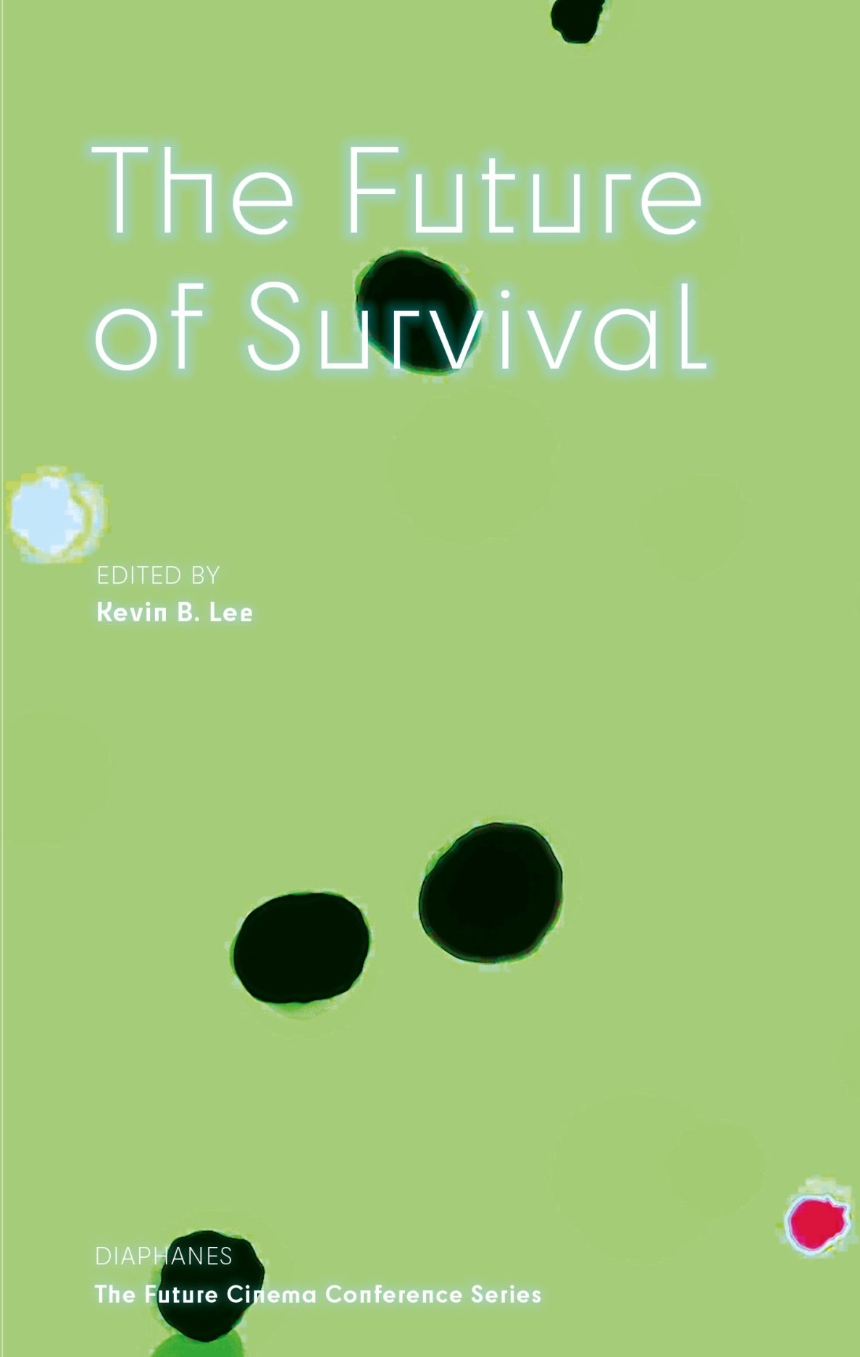
“Listening to Ice” with Nora M Alter, Doreen Mende in The Future of Survival, ed. Kevin B Lee, University of Chicago Press, 2026.
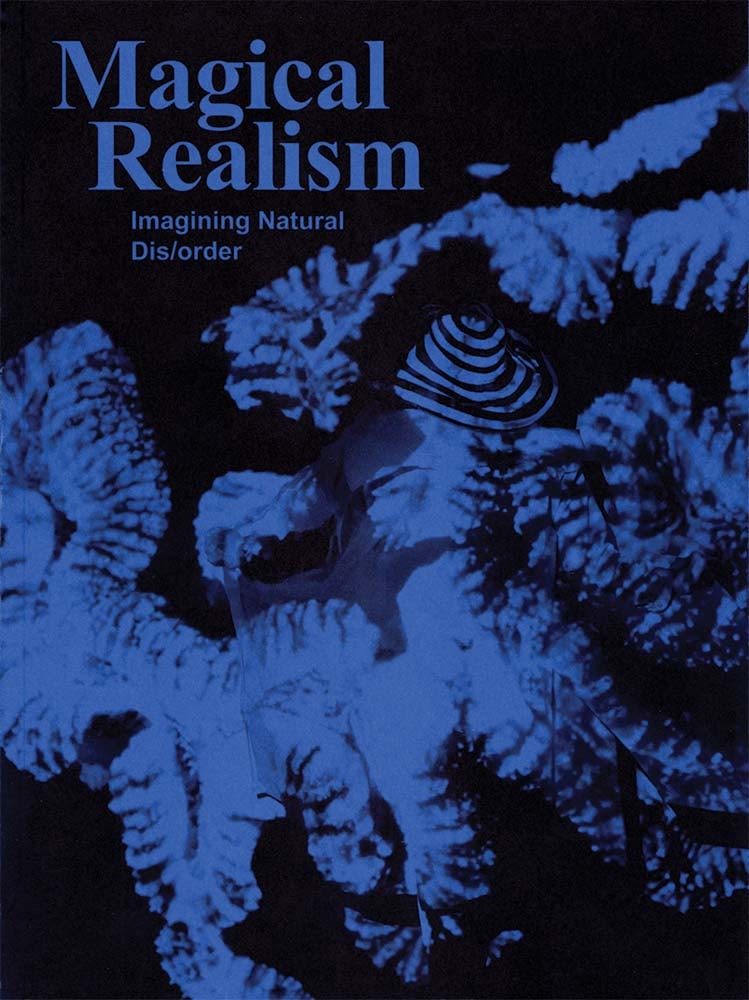
“Ice Memory” in Magical Realism: Imagining Natural Disorder, eds. Dati, Kritis, Snauwaert. Other contributions by Karen River Barad, Chris Cyrille-Isaac, Vinciane Despret, Leticia Renaut, Zayaan Khan, Shayma Nader, Yale Univeristy Press, 2025.
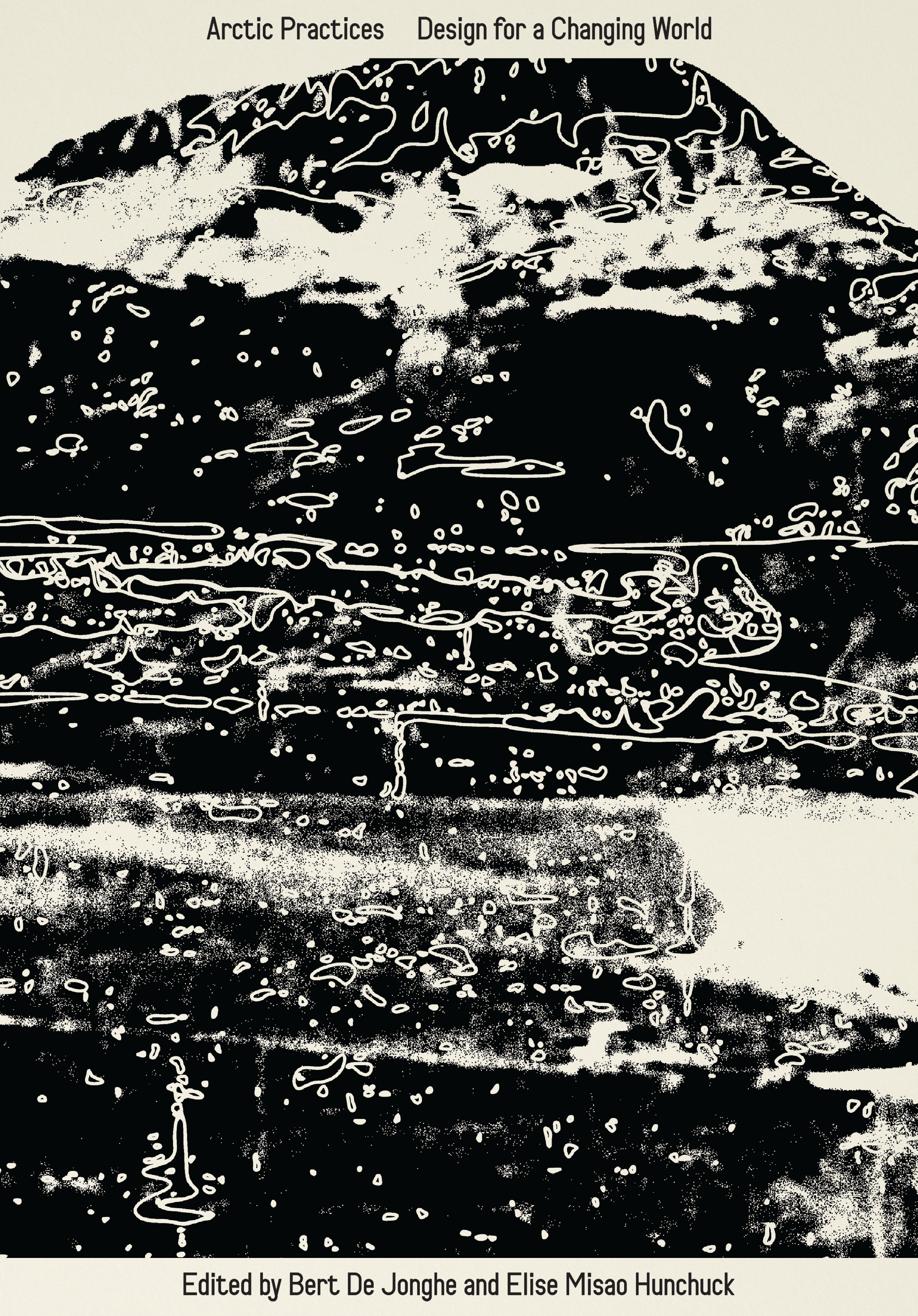
“Solar Dispute” in Arctic Practices: Design for a Changing World. eds. Bert De Jonghe and Elise Misao Hunchuck, Actar Publishers, 2025
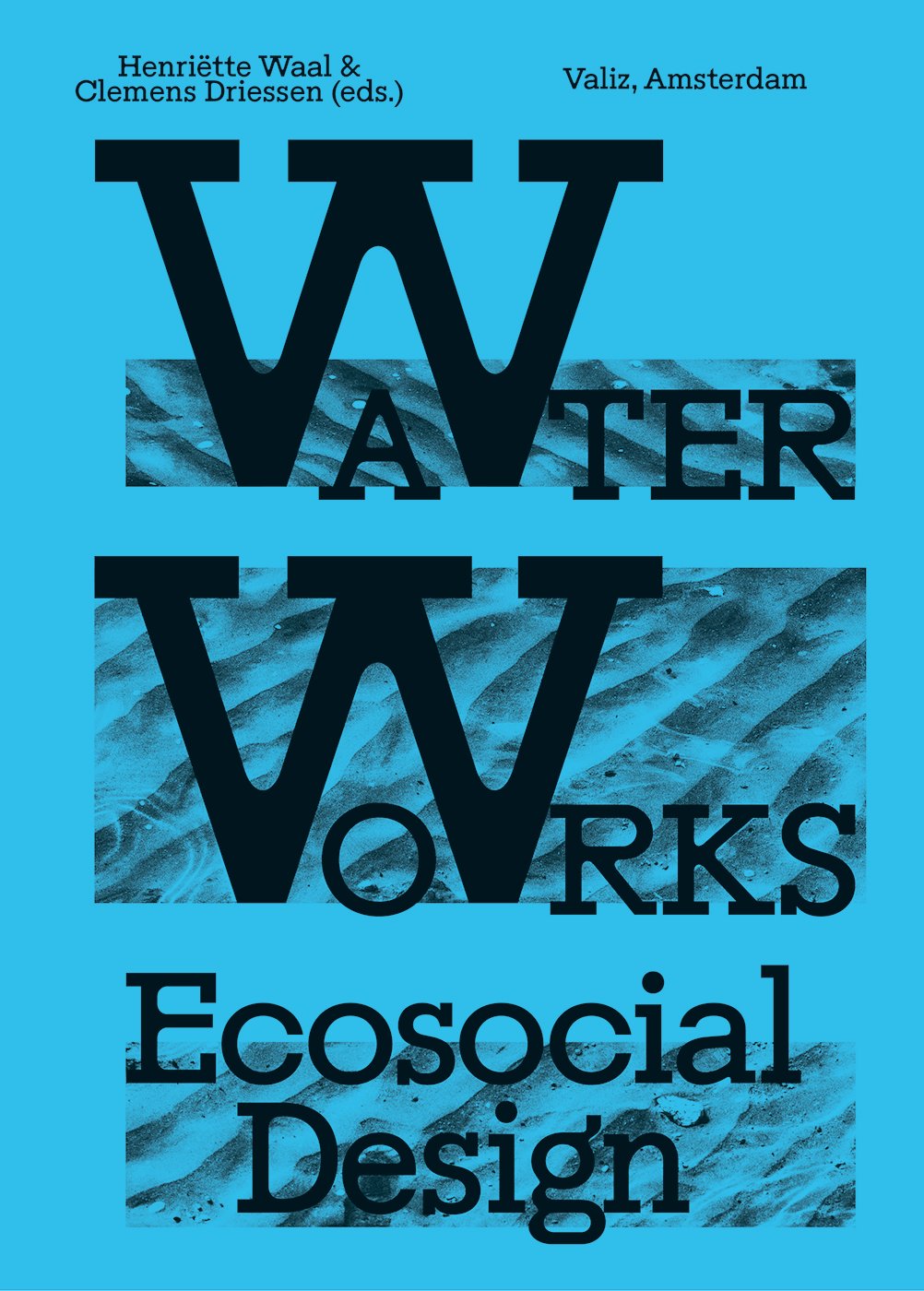
“Listening to Ice” in Water Works Ecosocial Design, 2025
Susan Schuppli & Liz Thomas, "Ice Core Temporalities," in Evidence Ensembles, DNA #24, eds. Christoph Rosol Haus der Kulturen der Welt, Giulia Rispoli, Katrin Klingan, Niklas Hoffmann-Walbeck (Leipzig: Spector, 2024). Spector Books, Leipzig, Januay 2024
“Cryoception” in Sensing Elementality, Journal of Environmental Media Special issue, Intellect Books, Vol 5.1, 2024
“Sensing Ice: From Cryoception to the CryoSat” in Imagine Earth, Aarhus Univeristy & Louisiana Museum of Modern Art, 2023
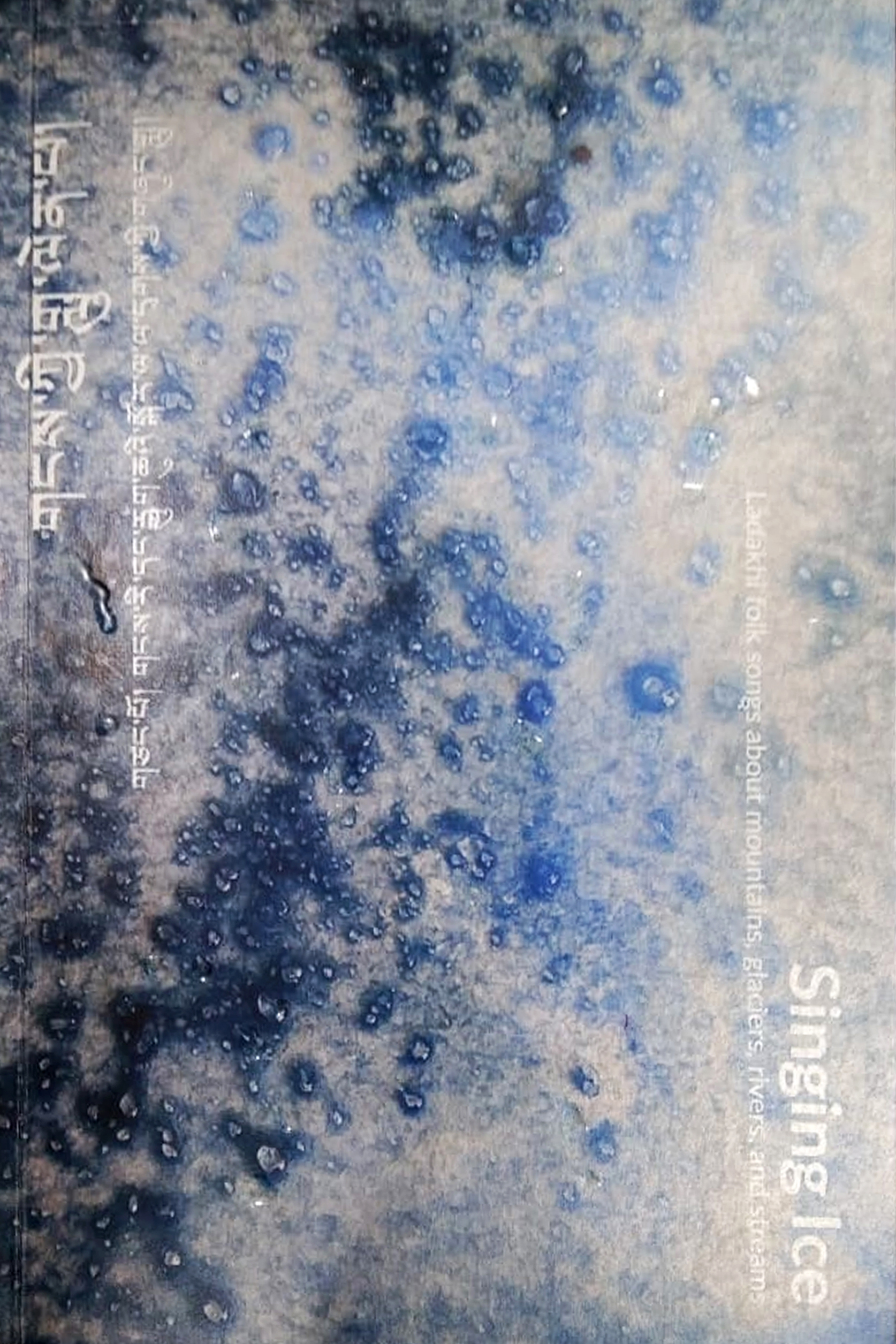
Singing Ice: Ladakhi folk songs about mountains, glaciers, rivers, and steams, a book project with Morup Namgyal, Faiza Ahmad Khan, Radha Pandey, Jigmet Anjmo, British Council / Delhi India, 2022
“Learning from Ice: Notes from the Field by Susan Schuppli.”
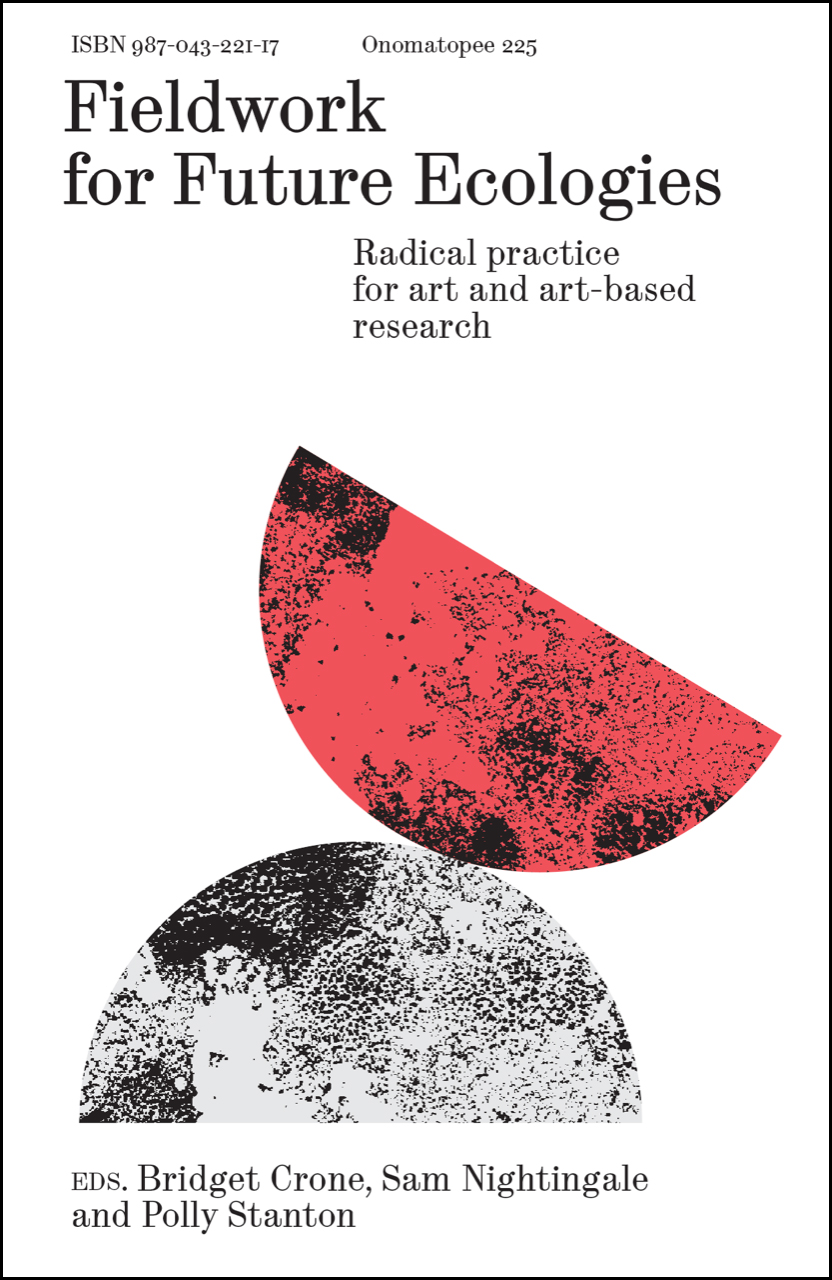
In Fieldwork for Future Ecologies / Radical Practice for Art and Art-based Research. Eds. Bridget Crone, Sam Nightingale, Polly Stanton, Onomatopee 225, Eindhoven, 2022.
Chernobyl: The Image and Sound of Radioactivity Itself, The Wire (re-printed from MIT Press Reader), 01.03.2022.
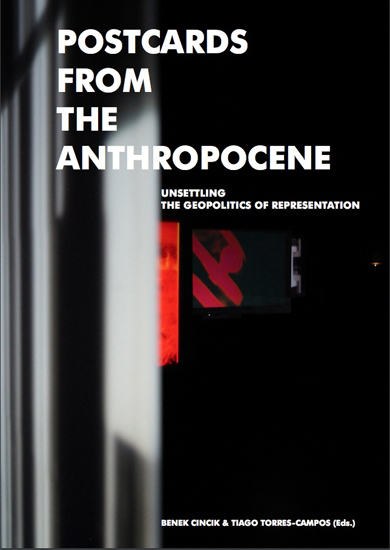
Postcards from the Anthropocene: Unsettling the Geopolitics of Representation. Eds.Benek Cincik & Tiago Torres-Campos. DPR Barcelona, 2022.
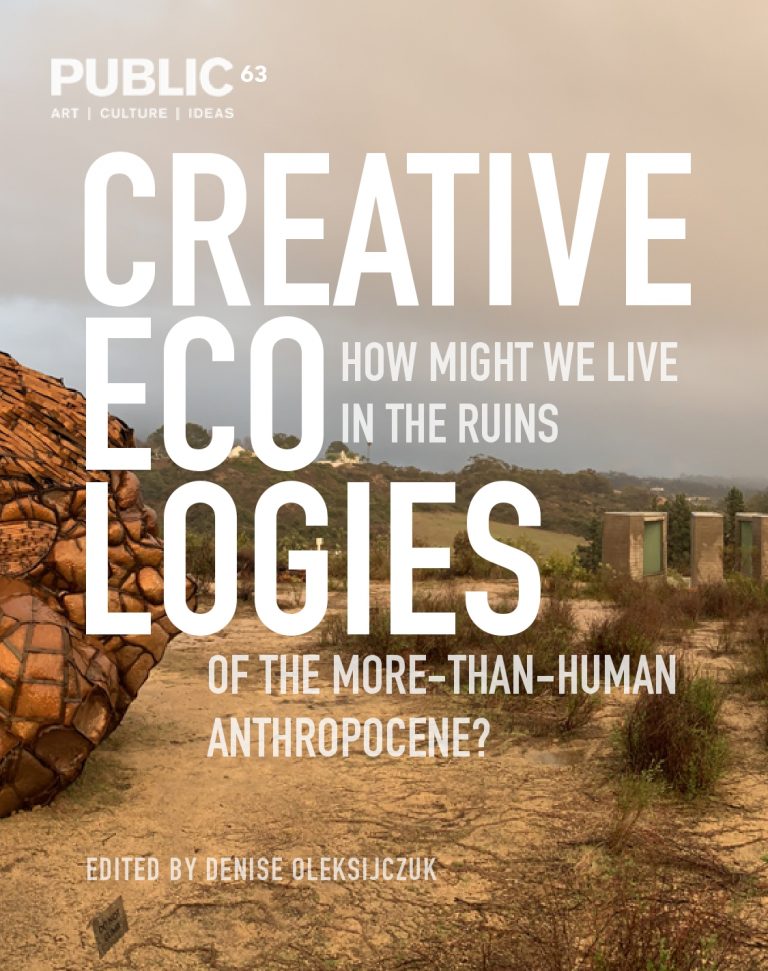
“Reflections on Filming in Svalbard.” Creative Ecologies, PUBLIC 63, Toronto, 2022 (artist project).
“Listening to Answering Machines.” Eavesdropping: A Reader. Eds. Joel Stern & James Parker. Melbourne: Liquid Architecture & Perimeter Books, 2019.
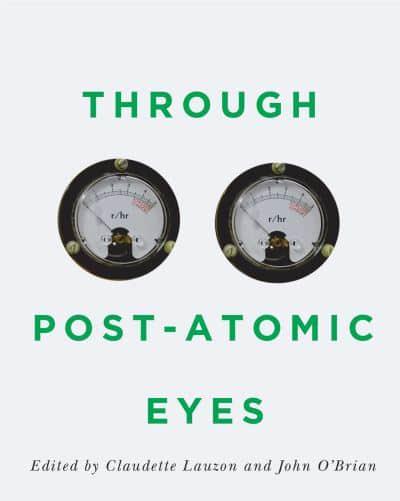
“Trace Evidence Trilogy”, Through Post-Atomic Eyes, Eds. Claudette Lauzon & John O’Brian, Montreal: McGill-Queen's University Press, 2019 (artist project).
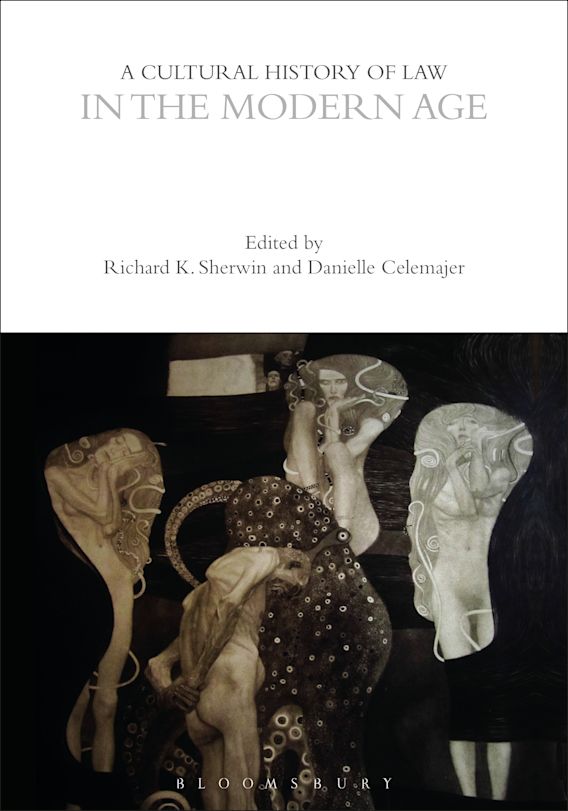
“Should Videos of Trees have Standing? A Cultural History of Law in the Modern Age. Eds. Celermajer, Danielle and Richard Sherwin. London: Bloomsbury, 2018.
“Public Proxies” Public Studio / The Long Now. Art Gallery of York University, 2018.
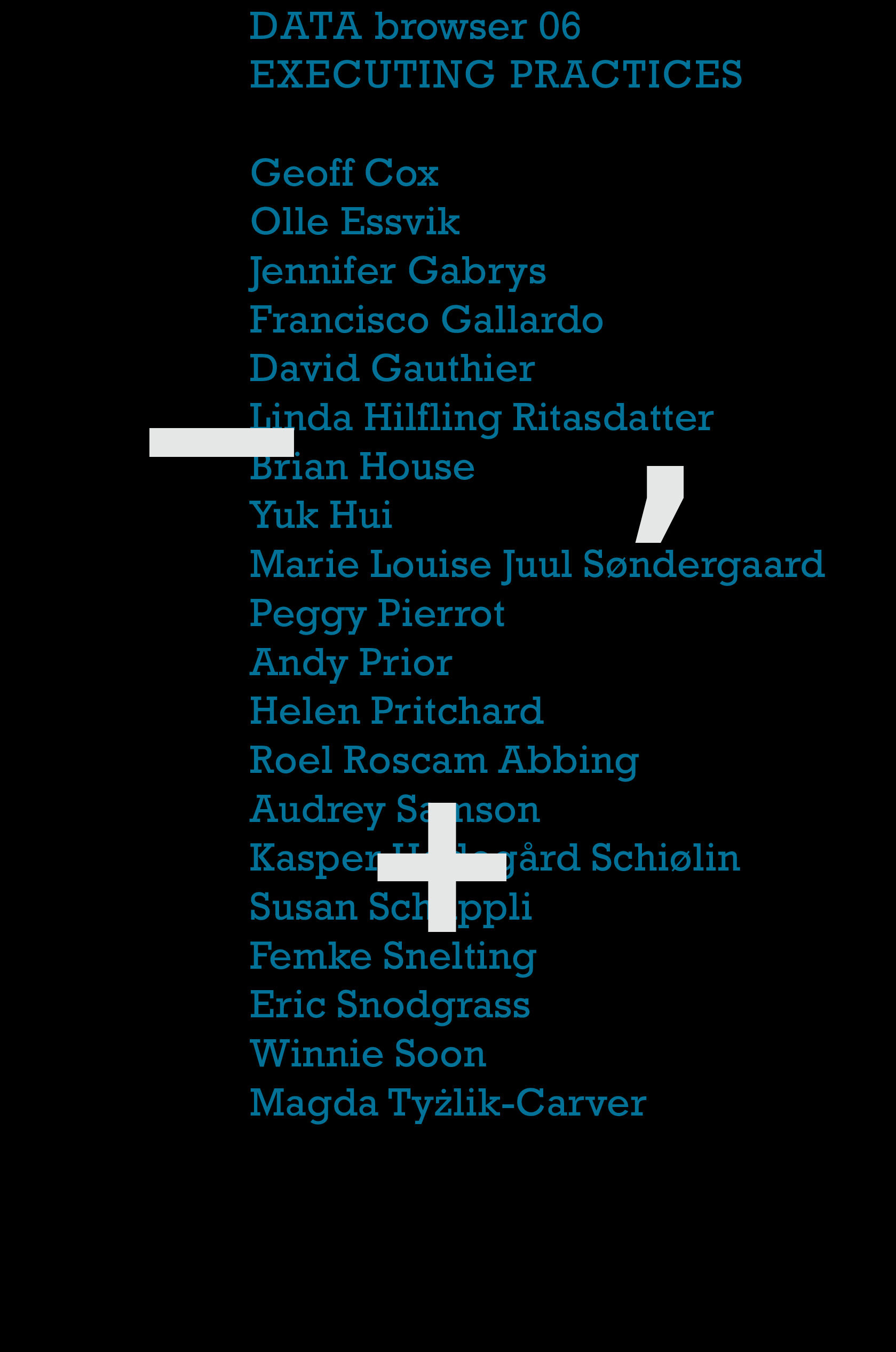
Executing Practices. Eds. Helen Pritchard, Eric Snodgrass and Magda Tyżlik-Carver. Open Humanities Press, 2018. ISBN: 978-1-78542-056-6
“The Subterfuge of Screens.” Montreal: Musée d’art contemporain de Montréal, 2017.
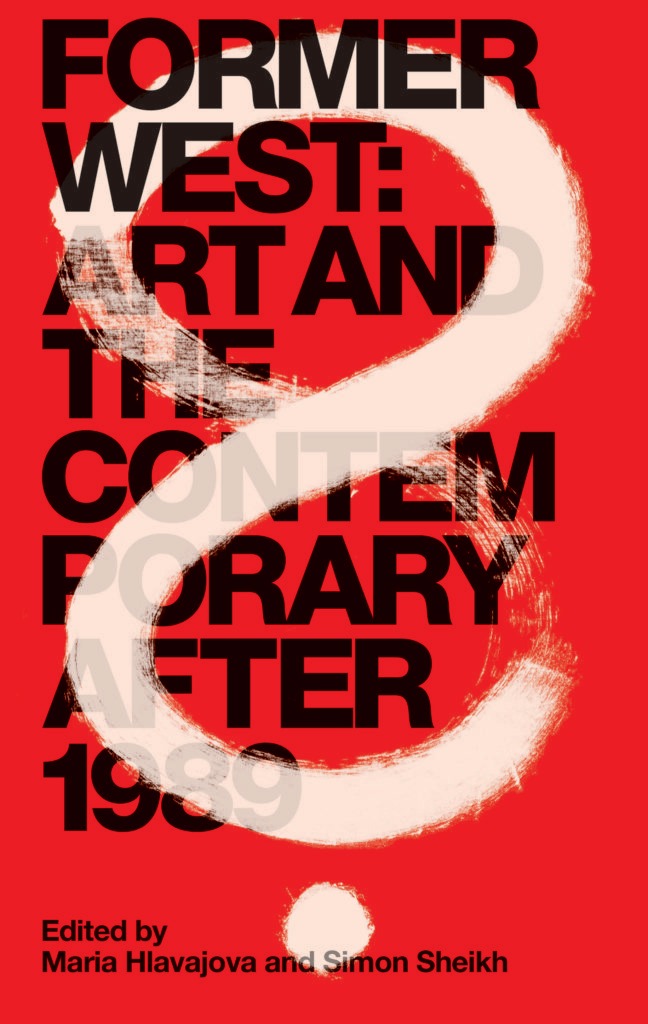
“Computing the Law // Searching for Justice.” FORMER WEST: Art and the Contemporary after 1989. Eds. Buden, Hlavajova and Sheikh. Utrecht: BAK & London: MIT Press, 2017.
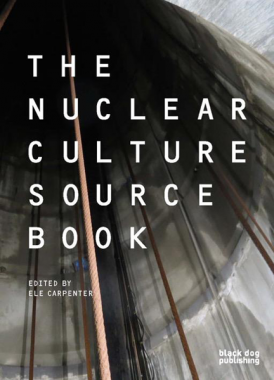
“Trace Evidence: A Nuclear Trilogy.” The Nuclear Culture Source Book. Ed. Carpenter, Ele. London: Black Dog Publishing in partnership with Bildmuseet, Sweden and Arts Catalyst, 2016.
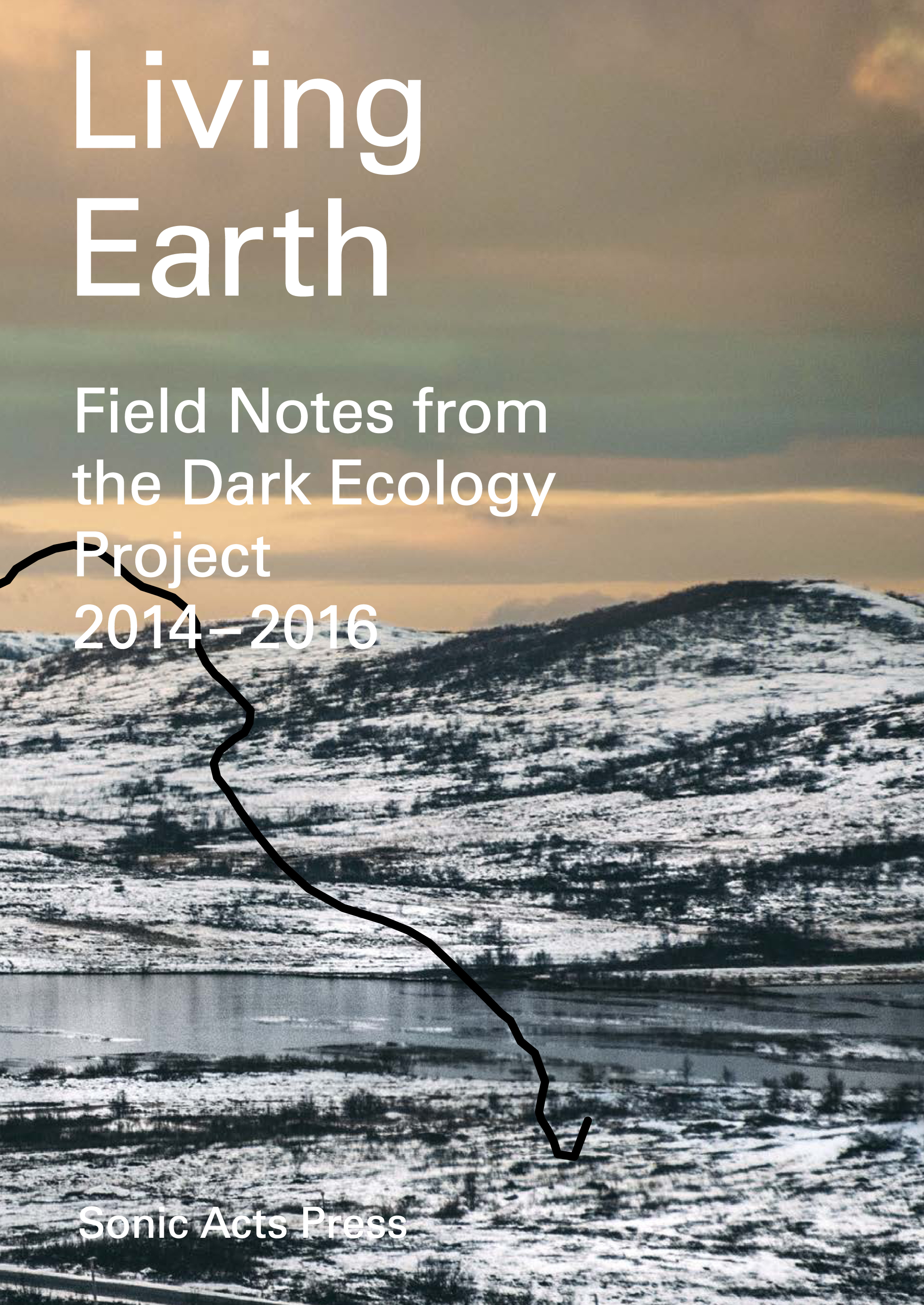
“Dirty Pictures.” Living Earth Field Notes from the Dark Ecology Project 2014-2016. Eds. Belina, Mirna and Arie Altena. Amsterdam: Sonic Acts, 2016. 189-210.
“Infrastructural Violence: The Smooth Spaces of Terror.” Photographers Gallery London (2015).
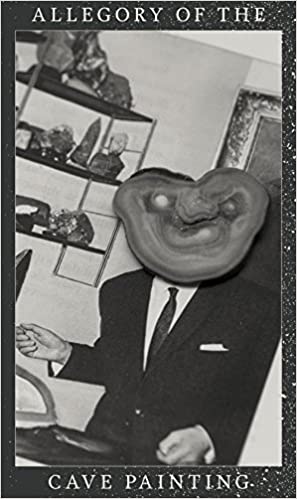
“Slick Images: The Photogenic Surface of Disaster.” Allegory of the Cave Painting. Ed..Mirca & Van Gerven Oei. Extra City, Antwerp. Published by Mousse Milan, 2015.
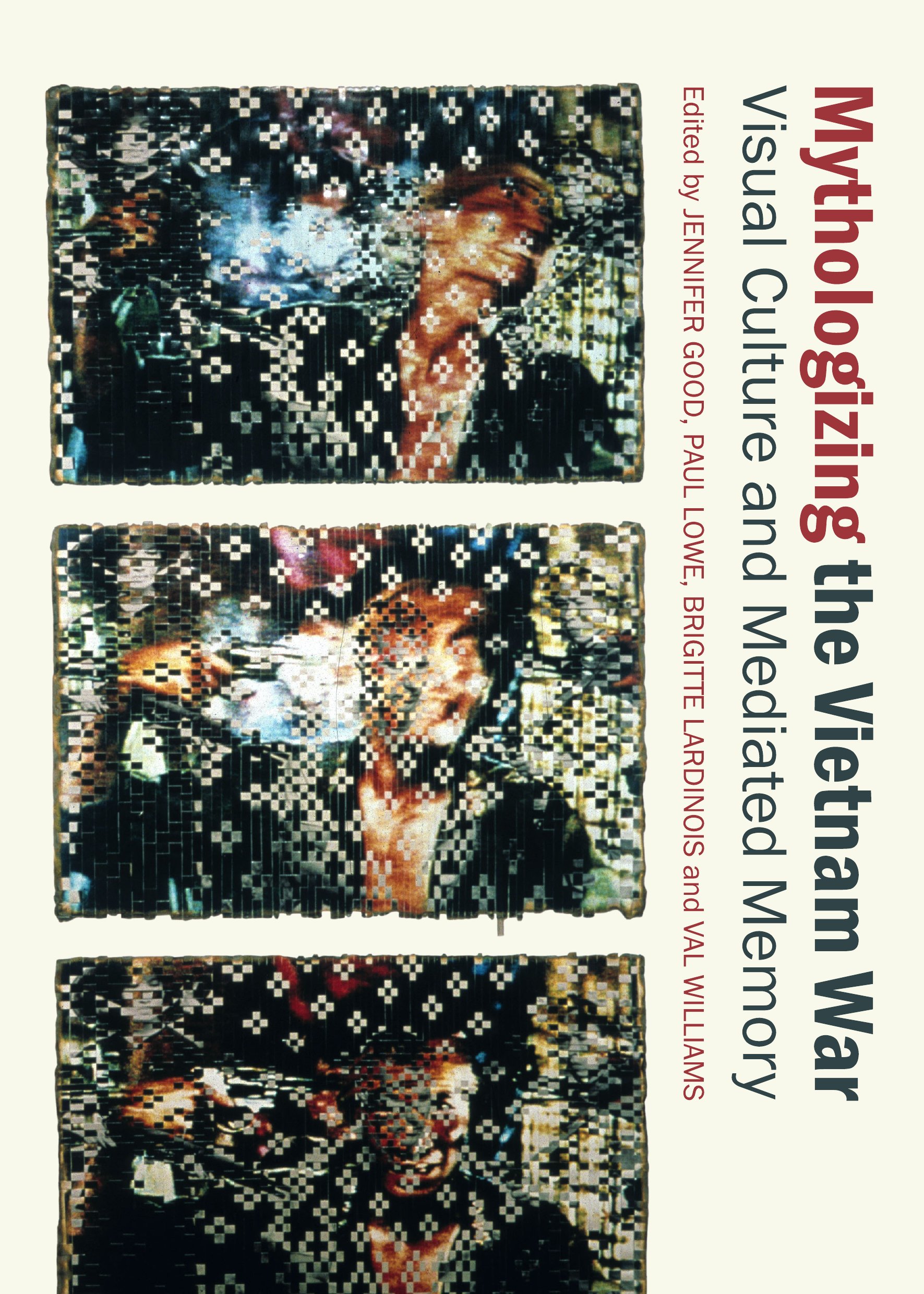
“War Dialling: Image Transmissions from Saigon.” Mythologizing the Vietnam War. Eds. Good, Jennifer, et al. Cambridge: Cambridge Scholars Publishing, 2015.
“Law and Disorder.” Realism Materialism Art. Ed. Christoph Cox, Jenny Jaskey, Suhail Malik. Berlin: Sternberg Press, (2015); 137-43.
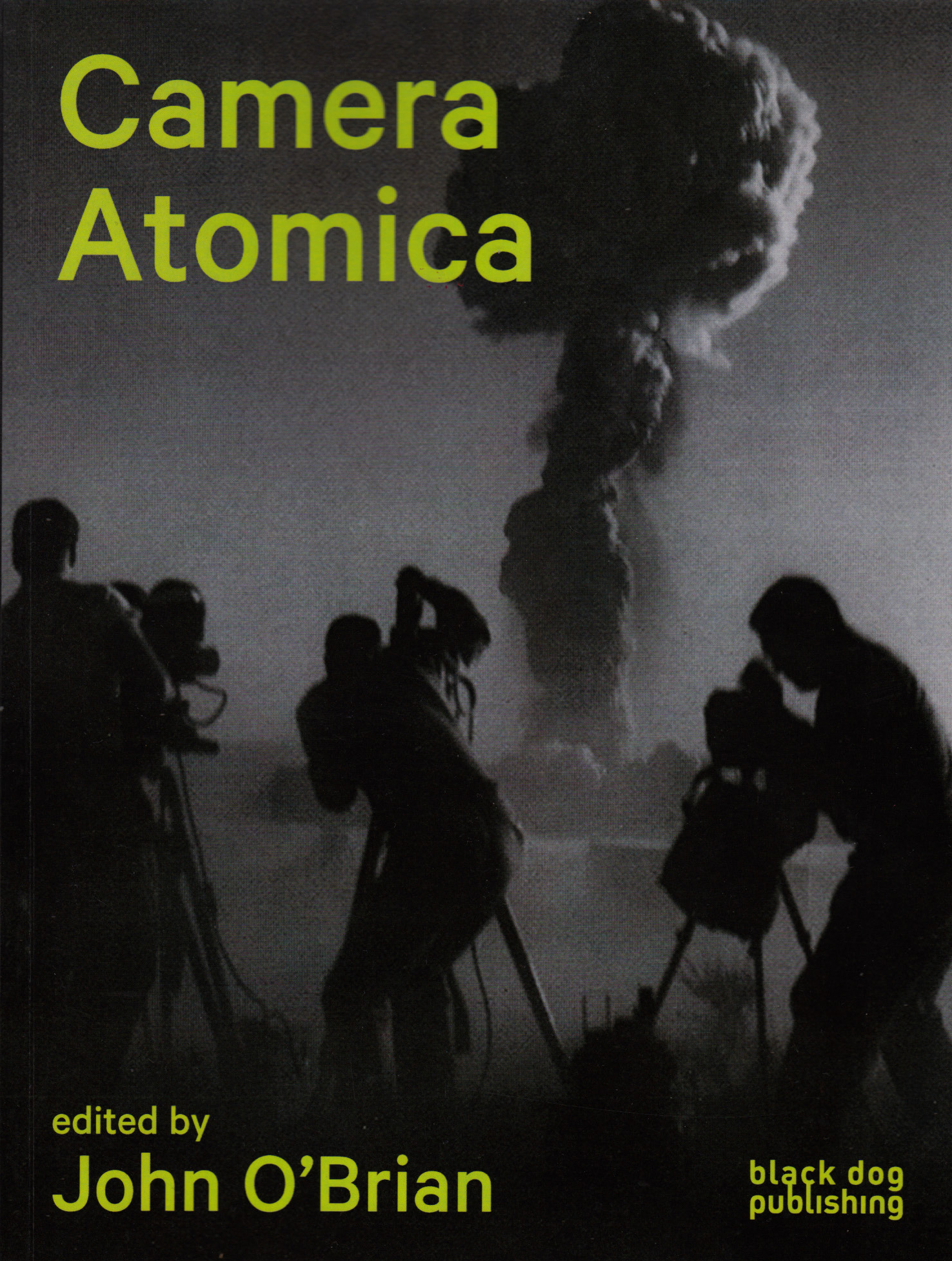
“Radical Contact Prints”. Camera Atomica, ed. John O’Brian, Art Gallery of Ontario, Toronto, Canada. Blackdog Publishing, (2014): 277-291.
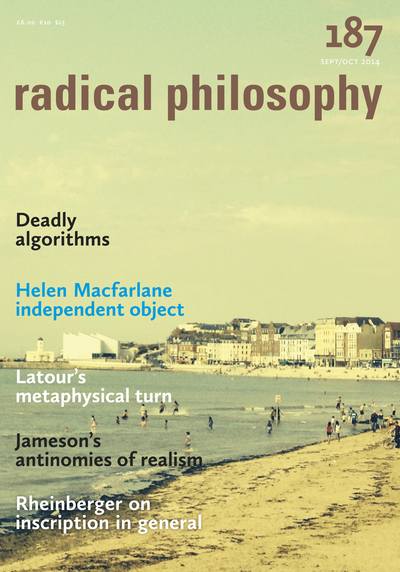
“Deadly Algorithms: Can Legal Codes hold Software accountable for Code that Kills?” Radical Philosophy, Issue 187 UK, (2014): 2-8.
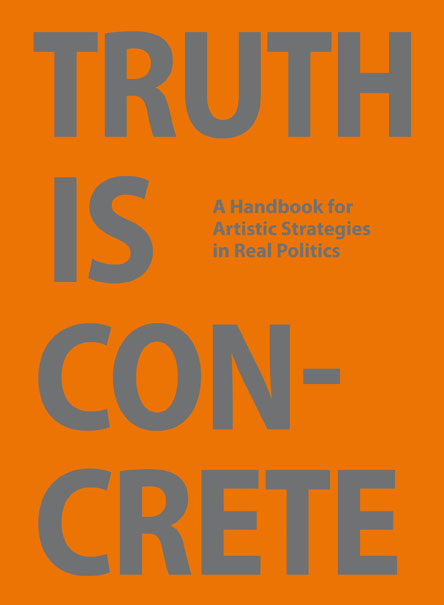
Truth is Concrete: A Handbook for Artistic Strategies in Real Politics Ed. Florian Malzacher. Berlin: Sternberg Press, (2014): 221-223.
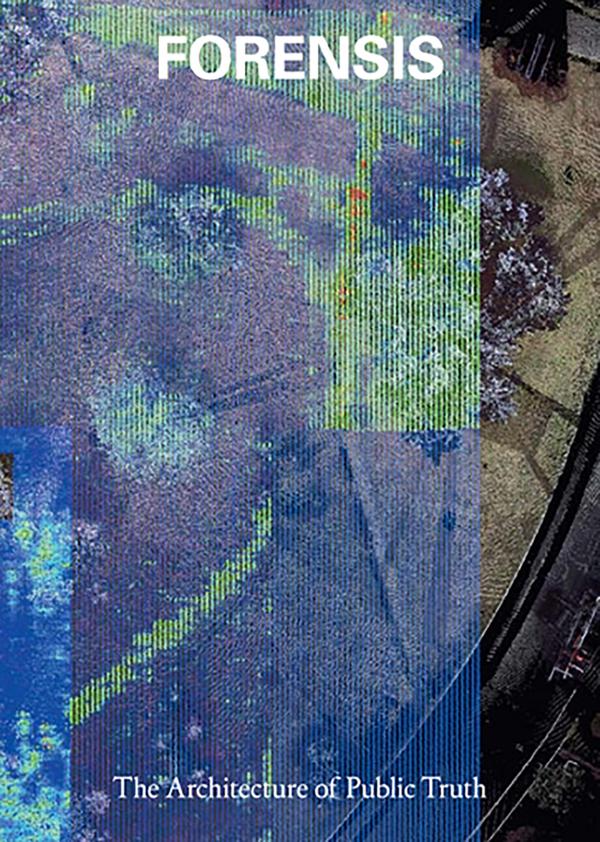
“Can the Sun Lie”, “Entering Evidence”, “Uneasy Listening”. Essay contributions to Forensis: The Architecture of Public Truth. Ed. Forensic Architecture, Berlin: Sternberg Press, (2014): 56-64, 279-314, 381-392.
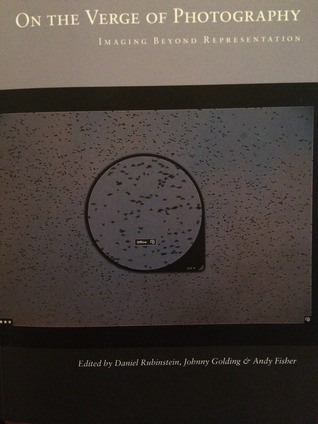
“Atmospheric Correction.” On the Verge of Photography. Eds. Rubinstein, Golding and Fisher. Birmingham: Birmingham Article Press, (2013): 16-32.
“Walk-Back Technology: Dusting for Fingerprints and Tracking Digital Footprints.” Photographies (Routledge) Helsinki Photomedia.6.1 (2013): 159-167.
“The Most Dangerous Film in the World (Reprint).” Materialities. Ed. Gutfranski, Krzysztof. Gdańsk: Wyspa Progress Foundation / Wyspa Institute of Art from Gdańsk, (2013): 241-272.
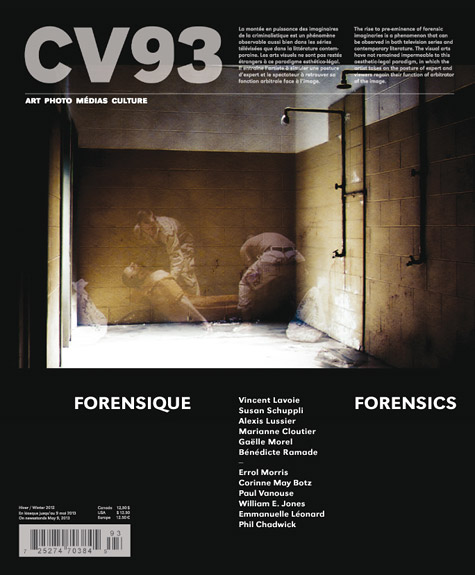
“Probative Pictures: Image Proofs in Errol Morris’s Standard Operating Procedure.” CV Ciel Variable Ed. Vincent Lavoie.91 Contemporary Art and Forensic Imagination (2013): 20-28.
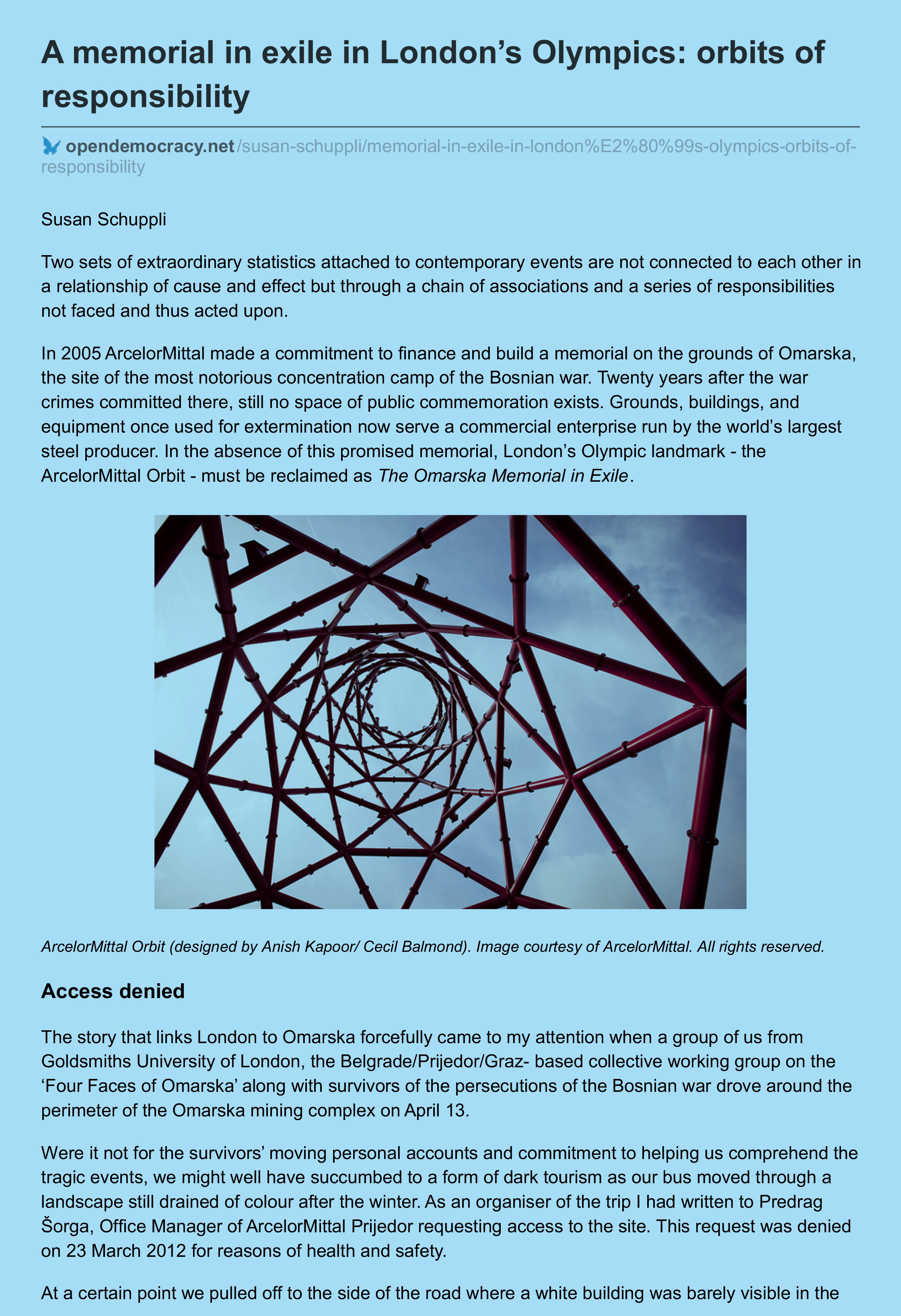
“A Memorial in Exile in London’s Olympics: Orbits of Responsibility.” Open Democracy (2012).
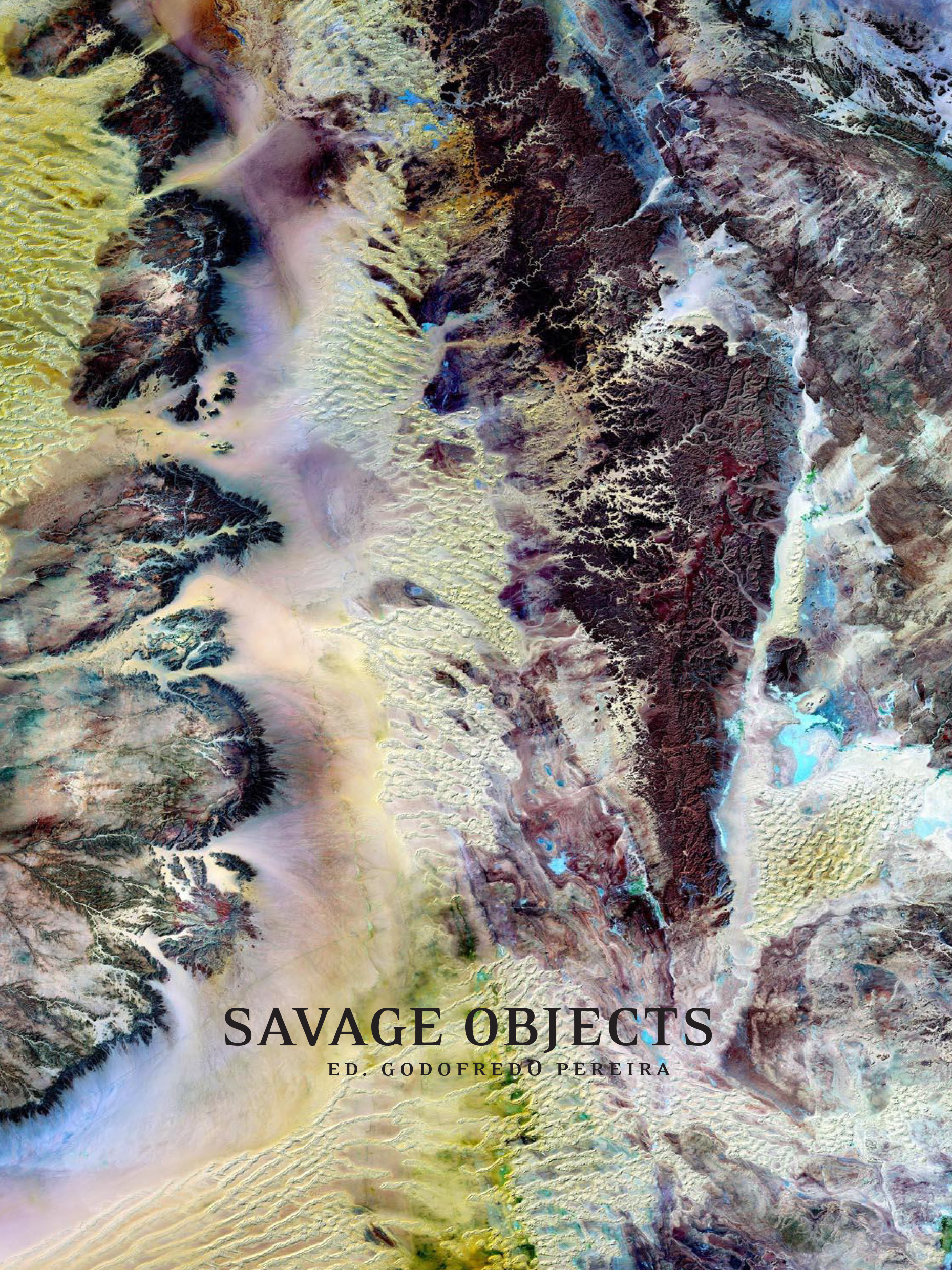
“Impure Matter: A Forensics of WTC Dust.” Savage Objects. Ed. Pereira, Godofredo. Portugal: Imprensa Nacional Casa da Moeda (2012): 120-140.
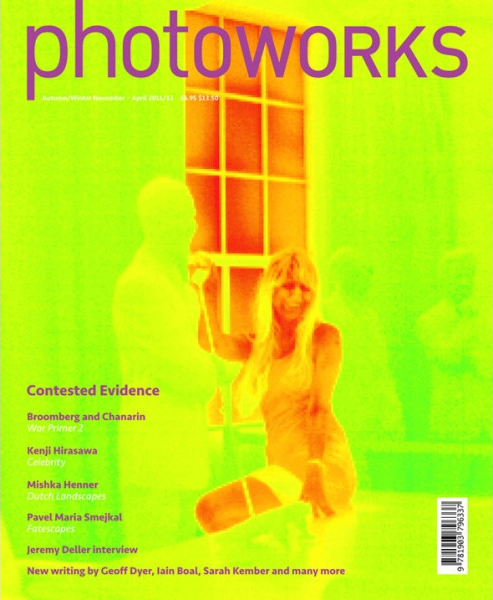
“Material Malfeasance: Trace Evidence of Violence in Three Image-Acts.” Photoworks Issue 17 (November 2011-April 2012): 28-33.
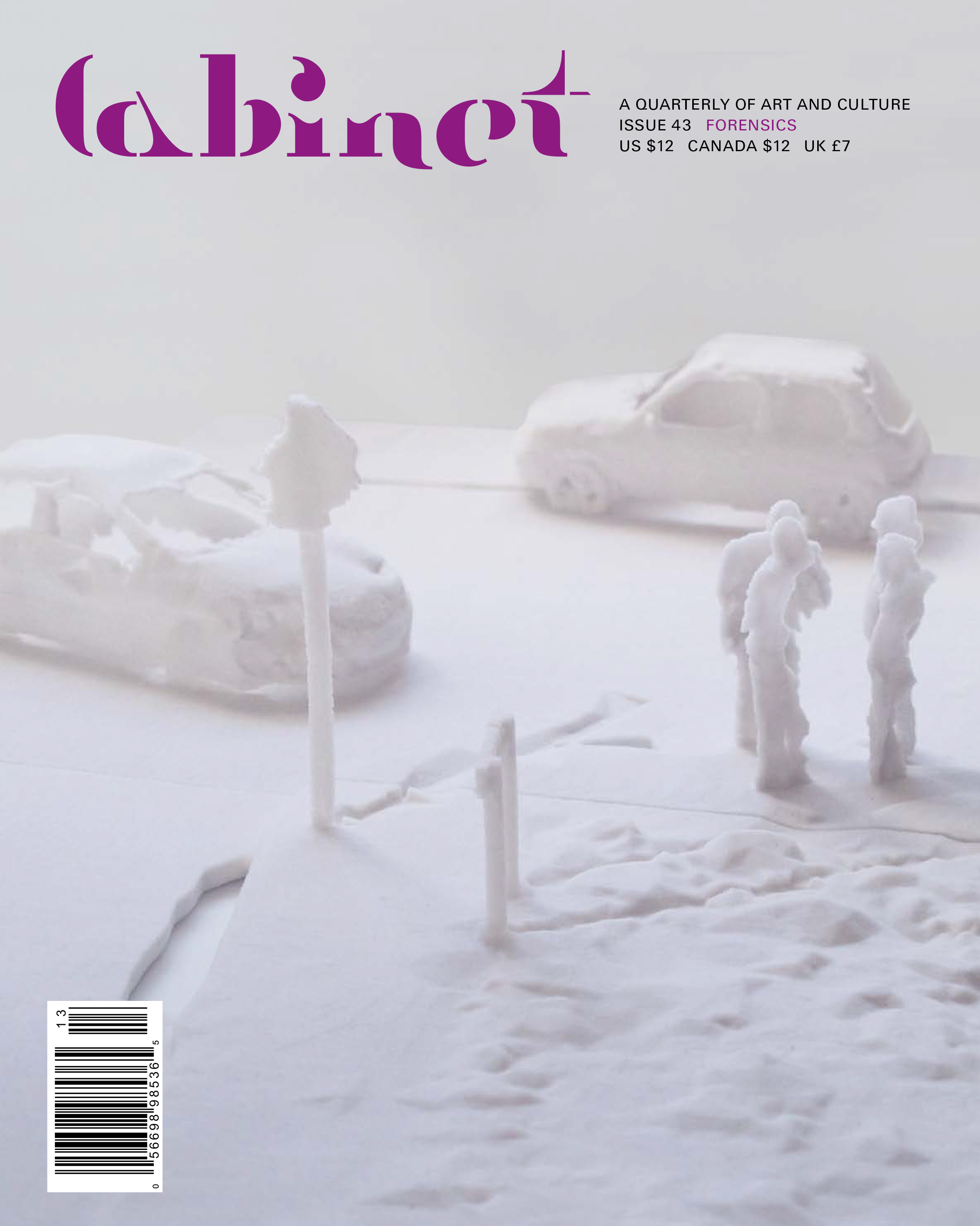
“Tape 342: That Dangerous Supplement.” Cabinet Forensics.43 (2011): 86-89.
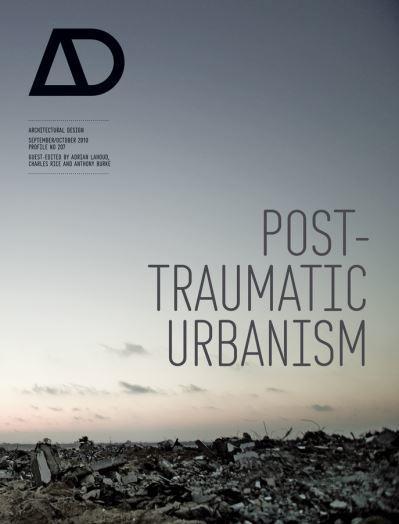
“Forensic Architecture.” Weizman, Tavares, Schuppli, Situ Studio. Post-Traumatic Urbanism, Architectural Design, Eds. Lahoud, Adrian and Charles Rice. 80.5 (2010): 58-63.
“Improvised Explosive Designs: The Film-Set as Military Set-Up.” Borderlands 9.2 (2010): 1-18.
“Oral Affliction or Archival Aphasia.” Memory Studies 2.2 (2008): 167-86.
“Of Moths and Machines.” Cosmos & History: The Journal of Natural and Social Philosophy 4.1-2 (2008): 286-306.
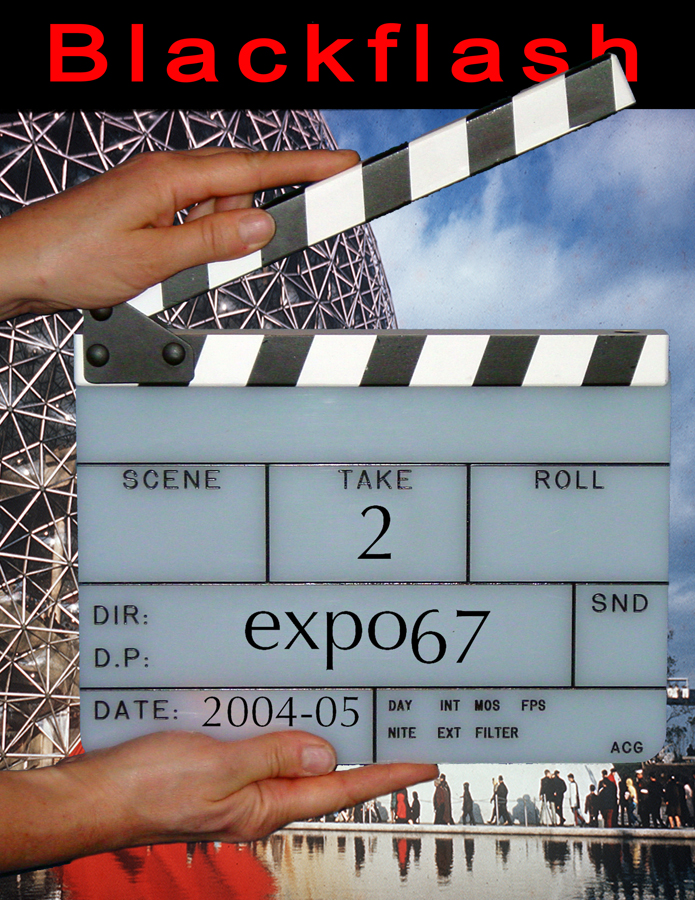
Guest Editor. “Exposé 67: Special Issue on Expo 67.” Winter Edition Vol. 2-22. Saskatoon: Blackflash, 2004-05.
READ MORE
This book begins with a classic cold case — a re-examination of the British colonial expeditionary imagination and its geographic surveys with their gaze oriented towards the mountain peaks and termperate zones of the Himalayas. A ‘cold’ case that investigates the legacies of ‘pink ice’ which informed the discipline of glaciology and set up research institutes throughout SE Asia. A reflection that is guided by the political question: how we might begin to ‘decolonise ice’ and ‘unlearn’ the approaches to studying glaciers that has been dominated by their geo-spatial histories as summits to conquered — physically and epistemically?
It also revisits the scenes of a series of contemporary ‘climate crimes’ involving the weaponisation of cold as a mode of governance and policing of racialised bodies. Specifically an investigation into harms and death by hypothermia that resulted from European migration policies, Icebox detention along the US-Mexico boder, water-hose assaults against water protectors at Standing Rock during the NoDAPL movement, and the clandestine tactic of policing known as taking someone on a “starlight tour” — an often lethal practice of abandonment that led to freezing deaths of First Nations in Canada.
The book also brings together a series of cases that animate questions of ‘cold rights’ and Earth jurisprudence — from human rights petitions by Inuit ‘seeking relief from violations resulting from global warming’; a legal case concerning the use of sonic-seismic surveys for detecting oil and gas reserves in marine ecologies that forced a Clyde River community in Nunavut to take their grievance to the Supreme Court of Canada; to ethical contestations around the ‘right to break ice’ that challenge the willful fracturing the Earth’s frozen mantle by ice breakers in the name of Arctic sovereignity and security. As well it includes two ‘rights of nature’ cases that examine the legal frameworks, which have designated living glaciers as juridical persons — the Gangotri and Yamanotri in the Uttarakhand state of northern India and the proposed ‘rights of river’ designation for the Yukon River in Canada, which empties into the Bering Sea via Alaska.
Alongside these ethico-juridical and rights-based cases the book also explores the sensate material and thermal properties of ice, foregrounding the ways in which ice mediates knowledge, organises socio-cultural practices and supports more-than-human lifeworlds. These include cases focused on ice core media and fieldwork in frozen ground truthing, as well as practices of ‘cryoception’ from remote sensing of sea ice and glacial recession via satellite to community-based methods for attending to the relational dynamics of living with and on ice.
Its files include documentation and critical reflections on the many creative projects that have informed this research.
In summary, COLD CASES advances a materialist account of climate justice grounded in the evidentiary and relational force of ice. Drawing on legal theory, media and sound studies, investigative aesthetics, and Earth jurisprudence, I argue that ice is not simply a signal of climate change, but an active material witness that records harm and issues political claims and calls to action. Glaciers, permafrost, and polar archives function as thermal records of extraction, colonial occupation, and environmental violence, exposing how liberal, human-centered legal frameworks have enabled dispossession while failing to register environmental and distributed forms of harm. By foregrounding the ways in which ice is relational, COLD CASES challenges settler-colonial regimes of evidence and responsibility, and rethinks climate justice from the standpoint of a rapidly warming cryosphere.
__________________________________
“Frozen River Rights” in The Word for World is Water: World-building and Creative Resistance through Liquid Alliances, eds. Anton-Garcia & Mendes, 2026
"Ice-core Media" in LA+ Journal, 2026
“Frozen Ground Truths” in Imagine Earth, 2026
“Listening to Ice” with Nora M Alter, Doreen Mende in The Future of Survival, ed. Kevin B Lee, University of Chicago Press, 2026.
“Ice Memory” in Magical Realism: Imagining Natural Disorder, eds. Dati, Kritis, Snauwaert. Other contributions by Karen River Barad, Chris Cyrille-Isaac, Vinciane Despret, Leticia Renaut, Zayaan Khan, Shayma Nader, Yale Univeristy Press, 2025.
“Solar Dispute” in Arctic Practices: Design for a Changing World. eds. Bert De Jonghe and Elise Misao Hunchuck, Actar Publishers, 2025
“Listening to Ice” in Water Works Ecosocial Design, 2025
Susan Schuppli & Liz Thomas, "Ice Core Temporalities," in Evidence Ensembles, DNA #24, eds. Christoph Rosol Haus der Kulturen der Welt, Giulia Rispoli, Katrin Klingan, Niklas Hoffmann-Walbeck (Leipzig: Spector, 2024). Spector Books, Leipzig, Januay 2024
“Cryoception” in Sensing Elementality, Journal of Environmental Media Special issue, Intellect Books, Vol 5.1, 2024
“Sensing Ice: From Cryoception to the CryoSat” in Imagine Earth, Aarhus Univeristy & Louisiana Museum of Modern Art, 2023
Singing Ice: Ladakhi folk songs about mountains, glaciers, rivers, and steams, a book project with Morup Namgyal, Faiza Ahmad Khan, Radha Pandey, Jigmet Anjmo, British Council / Delhi India, 2022
“Learning from Ice: Notes from the Field by Susan Schuppli.”
In Fieldwork for Future Ecologies / Radical Practice for Art and Art-based Research. Eds. Bridget Crone, Sam Nightingale, Polly Stanton, Onomatopee 225, Eindhoven, 2022.
Chernobyl: The Image and Sound of Radioactivity Itself, The Wire (re-printed from MIT Press Reader), 01.03.2022.
Postcards from the Anthropocene: Unsettling the Geopolitics of Representation. Eds.Benek Cincik & Tiago Torres-Campos. DPR Barcelona, 2022.
“Reflections on Filming in Svalbard.” Creative Ecologies, PUBLIC 63, Toronto, 2022 (artist project).
“Listening to Answering Machines.” Eavesdropping: A Reader. Eds. Joel Stern & James Parker. Melbourne: Liquid Architecture & Perimeter Books, 2019.
“Trace Evidence Trilogy”, Through Post-Atomic Eyes, Eds. Claudette Lauzon & John O’Brian, Montreal: McGill-Queen's University Press, 2019 (artist project).
“Should Videos of Trees have Standing? A Cultural History of Law in the Modern Age. Eds. Celermajer, Danielle and Richard Sherwin. London: Bloomsbury, 2018.
“Public Proxies” Public Studio / The Long Now. Art Gallery of York University, 2018.
Executing Practices. Eds. Helen Pritchard, Eric Snodgrass and Magda Tyżlik-Carver. Open Humanities Press, 2018. ISBN: 978-1-78542-056-6
“The Subterfuge of Screens.” Montreal: Musée d’art contemporain de Montréal, 2017.
“Computing the Law // Searching for Justice.” FORMER WEST: Art and the Contemporary after 1989. Eds. Buden, Hlavajova and Sheikh. Utrecht: BAK & London: MIT Press, 2017.
“Trace Evidence: A Nuclear Trilogy.” The Nuclear Culture Source Book. Ed. Carpenter, Ele. London: Black Dog Publishing in partnership with Bildmuseet, Sweden and Arts Catalyst, 2016.
“Dirty Pictures.” Living Earth Field Notes from the Dark Ecology Project 2014-2016. Eds. Belina, Mirna and Arie Altena. Amsterdam: Sonic Acts, 2016. 189-210.
“Infrastructural Violence: The Smooth Spaces of Terror.” Photographers Gallery London (2015).
“Slick Images: The Photogenic Surface of Disaster.” Allegory of the Cave Painting. Ed..Mirca & Van Gerven Oei. Extra City, Antwerp. Published by Mousse Milan, 2015.
“War Dialling: Image Transmissions from Saigon.” Mythologizing the Vietnam War. Eds. Good, Jennifer, et al. Cambridge: Cambridge Scholars Publishing, 2015.
“Law and Disorder.” Realism Materialism Art. Ed. Christoph Cox, Jenny Jaskey, Suhail Malik. Berlin: Sternberg Press, (2015); 137-43.
“Radical Contact Prints”. Camera Atomica, ed. John O’Brian, Art Gallery of Ontario, Toronto, Canada. Blackdog Publishing, (2014): 277-291.
“Deadly Algorithms: Can Legal Codes hold Software accountable for Code that Kills?” Radical Philosophy, Issue 187 UK, (2014): 2-8.
Truth is Concrete: A Handbook for Artistic Strategies in Real Politics Ed. Florian Malzacher. Berlin: Sternberg Press, (2014): 221-223.
“Can the Sun Lie”, “Entering Evidence”, “Uneasy Listening”. Essay contributions to Forensis: The Architecture of Public Truth. Ed. Forensic Architecture, Berlin: Sternberg Press, (2014): 56-64, 279-314, 381-392.
“Atmospheric Correction.” On the Verge of Photography. Eds. Rubinstein, Golding and Fisher. Birmingham: Birmingham Article Press, (2013): 16-32.
“Walk-Back Technology: Dusting for Fingerprints and Tracking Digital Footprints.” Photographies (Routledge) Helsinki Photomedia.6.1 (2013): 159-167.
“The Most Dangerous Film in the World (Reprint).” Materialities. Ed. Gutfranski, Krzysztof. Gdańsk: Wyspa Progress Foundation / Wyspa Institute of Art from Gdańsk, (2013): 241-272.
“Probative Pictures: Image Proofs in Errol Morris’s Standard Operating Procedure.” CV Ciel Variable Ed. Vincent Lavoie.91 Contemporary Art and Forensic Imagination (2013): 20-28.
“A Memorial in Exile in London’s Olympics: Orbits of Responsibility.” Open Democracy (2012).
“Impure Matter: A Forensics of WTC Dust.” Savage Objects. Ed. Pereira, Godofredo. Portugal: Imprensa Nacional Casa da Moeda (2012): 120-140.
“Material Malfeasance: Trace Evidence of Violence in Three Image-Acts.” Photoworks Issue 17 (November 2011-April 2012): 28-33.
“Tape 342: That Dangerous Supplement.” Cabinet Forensics.43 (2011): 86-89.
“Forensic Architecture.” Weizman, Tavares, Schuppli, Situ Studio. Post-Traumatic Urbanism, Architectural Design, Eds. Lahoud, Adrian and Charles Rice. 80.5 (2010): 58-63.
“Improvised Explosive Designs: The Film-Set as Military Set-Up.” Borderlands 9.2 (2010): 1-18.
“Oral Affliction or Archival Aphasia.” Memory Studies 2.2 (2008): 167-86.
“Of Moths and Machines.” Cosmos & History: The Journal of Natural and Social Philosophy 4.1-2 (2008): 286-306.
Guest Editor. “Exposé 67: Special Issue on Expo 67.” Winter Edition Vol. 2-22. Saskatoon: Blackflash, 2004-05.